Exactly How Synthetic Roof Shingles Take On Snow Plenties and Warmth Waves
Homeowners generally observe a roofing system when it leakages, drops granules right into the seamless gutter, or begins to crinkle at the edges. Contractors see something else first, just how a roof covering manages stress and anxiety gradually. Snow tons, freeze-thaw cycles, wind-driven ice, attic room warmth build-up, straight summer season sunlight, and sudden temperature level swings all leave ideas. Those clues show up in cracked tabs, popped fasteners, distorted decking, reduced service life, and, in serious instances, structural strain.
That is why artificial roof shingles have drawn a lot interest recently. They are commonly marketed for looks, particularly when a home owner desires the profile of slate, cedar shake, or other high-end materials. However their efficiency tale matters equally as much. When you are comparing roofing materials for an area that sees both heavy winter season tornados and penalizing summer season heat, look is only component of the equation.
In markets like the Midwest, and specifically around artificial roof covering Chicago tasks, the weather can turn from subzero wind cools in January to rooftop surface area temperature levels well above 140 levels in July. A product that executes beautifully in light climates can battle here. The better artificial roof are made with that said fact in mind, though layout quality, installment high quality, attic room air flow, and architectural conditions still establish whether the roof thrives or simply survives.
What "artificial" indicates on a real roof
Synthetic roof tiles are made items made to simulate traditional roof covering materials while decreasing a few of their weaknesses. Depending on the brand name and product, they might be made from engineered polymers, recycled composites, virgin resins, rubber-plastic blends, or other proprietary formulations. The group is broad, which is why efficiency can vary more than home owners expect.
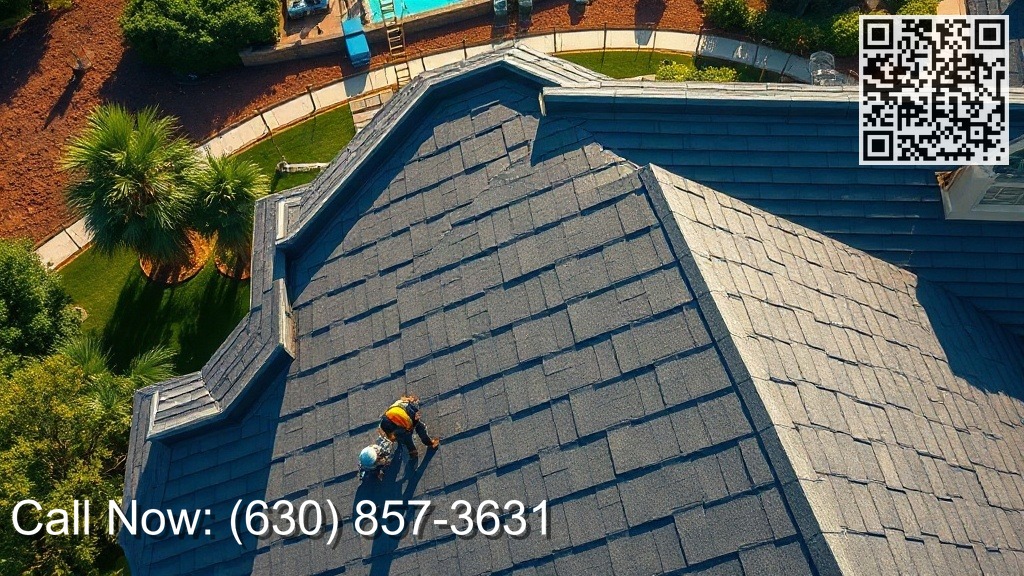
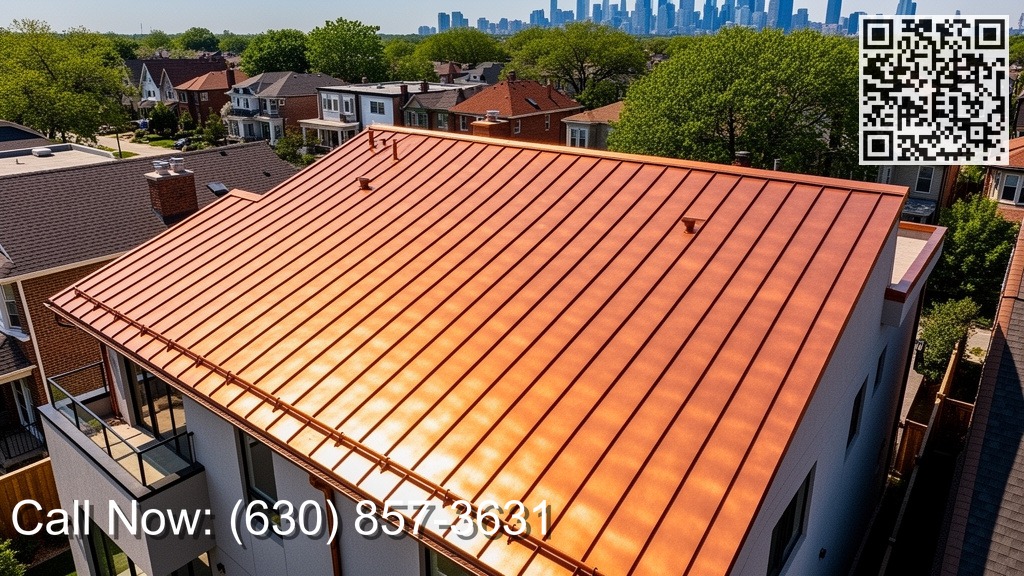
A premium synthetic roof covering item is not just "plastic roofing." That label misses the design involved. Good items are constructed for influence resistance, UV stability, dimensional uniformity, and controlled versatility. Substandard items can end up being fragile in winter, soften excessive in warm, discolor erratically, or fail around attaching factors. I have actually seen both ends of that range. On one roofing, an artificial shake line handled a harsh winter season without splitting. On an additional, lower-grade imitation slate started flawing where heat showed off a nearby masonry wall.
That distinction is one reason the installer matters a lot. An experienced synthetic professional roofer understands that not all synthetic roofing tiles cut, fasten, and blink the same way. A product can have outstanding laboratory data and still underperform if the team rooms fasteners incorrectly, leaves inadequate air flow, or ignores producer temperature standards throughout installation.
Snow lots is not almost the shingle
When property owners ask whether synthetic roofing systems can "hold snow," the solution needs context. Snow load is mainly an architectural concern prior to it ends up being a tile concern. Roofing system decking, framing periods, truss layout, pitch, and local code needs determine how much weight the roof setting up can support. The shingle itself is only one layer in that system.
Still, the outer roofing product issues due to the fact that it affects exactly how snow acts and exactly how the assembly responds. A heavy all-natural slate roof begins with a much higher dead load than a lightweight synthetic option. That leaves less margin when a significant tornado goes down damp, thick snow. One practical benefit of building synthetic roofing is weight reduction. An artificial slate product can deliver the aesthetic depth of quarried stone at a portion of the weight, which is especially useful throughout artificial roofing system substitute on older homes that were not initially framed for real slate.
This issues on custom-made homes and historic-style homes where the proprietor wants costs synthetic roof or artificial roof for deluxe homes without burdening the framework with an incredibly hefty covering. Lighter roofing products do not amazingly make a roof covering immune to snow problems, however they can reduce consistent load on the structure year-round.
How snow actually stresses a roof covering surface
Snow places a roof through a number of kinds of tension simultaneously. Weight is the noticeable one, however it is not the only concern. Thawing and refreezing around the eaves can develop ice dams. Packed snow can block water drainage courses. Temperature level distinctions in between attic room rooms and roof surface areas can increase thawing in some areas while others remain icy strong. That irregular cycle drives water under tiles and around flashings.
Synthetic roofing shingles can perform well below since several remain more versatile than standard weak materials in really winter. That versatility aids them soak up small activity without fracturing. On roof coverings that cycle continuously between daytime melting and nighttime refreezing, that quality is valuable.
The caveat is that not every artificial item takes care of cold similarly. Some lower-end products become rigid when temperature levels plunge. Others may stand up to splitting however still allow dampness intrusion if installation information are inadequate. This is why a certified synthetic roof firm pays very close attention to underlayment selection, blinking transitions, ridge air vent details, and eave defense. In snow country, the setting up under the visible roofing matters practically as long as the visible roofing system itself.
A roofing in Naperville or the bigger Chicagoland location, for instance, may experience numerous freeze-thaw swings in a single month. On homes that have cathedral ceilings, complicated valleys, dormers, and long rain gutter runs, those problems can reveal faster ways promptly. A trusted synthetic roofing contractor Chicagoland property owners depend on will certainly check insulation levels and attic airflow prior to making broad pledges concerning winter performance.
The duty of roofing pitch and snow shedding
Pitch affects just how much snow accumulates and exactly how quickly it moves. Steeper roofs have a tendency to drop snow quicker, although texture, temperature level, and sun direct exposure all affect that procedure. Some artificial roof shingles have surface accounts that mimic cedar or slate so convincingly that they likewise influence snow retention. That can be great or negative depending upon the design.
If snow launches too quickly in big sheets, it can damage gutters, landscape design, and entry areas. If it clings also lengthy on a roofing system with recognized architectural constraints, the weight can end up being a concern. The best equilibrium depends on the home. I have actually seen high roofing systems where snow guards were necessary to take care of release, and lower-slope ornamental areas where the larger problem was long term melting at the eaves.
This is where real site judgment matters greater than brochure language. Residential artificial roofing is not one-size-fits-all. 2 houses on the very same street can need different describing because one has huge south-facing roofing planes over heated living space and the other has actually a ventilated attic room with fully grown shade trees.
Heat waves check a different collection of properties
Summer punishes roof covering products in quieter means. As opposed to significant ice buildup or visible snowdrifts, you obtain ruthless UV exposure, thermal growth, hot attic room air, and surface temperatures that much surpass the outdoor analysis. On a bright day, a dark roof covering can become warm adequate to soften low-grade products, increase aging, and telegraph issues that did disappoint up in milder conditions.
Well-made artificial roofing systems are developed to withstand UV deterioration and maintain dimensional security under warmth. That implies they must not crinkle, split, or shed shape simply because the roofing bakes for days each time. Much better items additionally hold color more continually, though every roof covering fades somewhat gradually. The concern is whether that fading takes place progressively and evenly, or patchily and prematurely.
Heat waves likewise expose fastening issues. If tiles expand and contract repeatedly, poor nailing patterns or inadequate fastening can turn up as shifting, rattling, or distortion. Experienced artificial roofing installers comprehend that warmth performance is not almost the tile formula. It is likewise about spacing, attachment, ventilation, and whether the roof covering deck is completely dry, flat, and properly prepared before installation begins.
Why light-weight can assist in both wintertime and summer
A lighter roof item minimizes static tons in winter months, however it likewise transforms exactly how staffs deal with setup and future upkeep. Artificial roof covering shingles are frequently much easier to present and cross the roof than true slate or concrete floor tile. That can reduce damage throughout setup and make fixings much less intrusive if one section is ever before harmed by a dropped arm or leg or extreme hail.
In hot weather, lower mass does not automatically indicate a cooler roof surface. Reflectivity, color, ventilation, and assembly design play larger roles. However lighter products can still benefit the home due to the fact that they put much less strain on the structure and commonly simplify retrofit applications. During an artificial roof replacement, that can suggest less framework modifications compared to transforming to really hefty conventional materials.
For higher-end homes, this is particularly attractive. Numerous proprietors desire the depth and structure of slate or hand-split cedar without the structural charges or upkeep frustrations. That is a key reason artificial roof covering for luxury homes has acquired grip. It provides the visual ambition of premium roof covering while remaining sensible for contemporary framing and code expectations.
Ventilation chooses more than a lot of property owners realize
I have actually seen roof systems blamed for issues that were truly attic https://edwinkqjs173.timeforchangecounselling.com/residential-synthetic-roofing-that-deals-with-extreme-seasonal-modifications room problems. A roof covering can only do so much if warm, moist air gets caught listed below it. In winter season, inadequate ventilation contributes to uneven melting, ice dams, and condensation. In summer season, it drives up deck temperatures and can age the roof covering from beneath.
Synthetic roofs take advantage of well balanced intake and exhaust air flow similar to other steep-slope systems. If the attic room is under-ventilated, the roof may run hotter, and that added thermal tons can lower life span. If insulation is irregular, warm indoor air may produce separated melt areas under snowpack, which is just one of the timeless setups for ice dam formation.
A careful artificial roofing system setup usually begins with inquiries beyond the roof shingles option itself. How is the attic room vented? Is the existing decking audio? Exist indicators of moisture discoloration or mold? Are bathroom followers tiring into the attic rather than exterior? A seasoned artificial roofing contractor asks these concerns because long-lasting performance depends on the whole setting up, not simply the visible finish.
Installation details that matter in severe weather
Two roofs can utilize the very same product and age extremely differently due to workmanship. Under snow and warm tension, small details end up being huge issues. Valleys need to relocate water fast. Flashings around smokeshafts and sidewalls need to stay watertight through growth and tightening. Fasteners need correct placement and deepness. Starter courses need to resist wind uplift. Underlayment requires to fit the environment, specifically in freeze-thaw regions.
The ideal crews do not rush this work. An artificial roofing firm with strong field discipline will certainly examine deck monotony, validate the producer's securing pattern, and comply with temperature-specific handling support. Some synthetics reduced easily in trendy climate yet come to be extra flexible in direct sun. Others need specific storage and staging so bundles do not deform before installment. These are not glamorous details, yet they separate sturdy results from costly callbacks.
Here are the area information I pay the closest attention to on weather-exposed tasks:
- Ice and water protection at eaves, valleys, and vulnerable transitions.
- Ventilation layout that matches the home's insulation and roof geometry.
- Manufacturer-approved attachment patterns for neighborhood wind and climate demands.
- Flashing integration around penetrations, masonry, and wall intersections.
- Product handling during really chilly or very hot installment days.
That checklist looks fundamental, but roofing failings usually start in exactly those places.
How synthetics compare with other premium materials
Natural slate stays among one of the most long lasting roof covering materials offered, yet it is heavy, expensive, and very dependent on specialized installment ability. Cedar has heat and character, yet it requires recurring maintenance and can weather unpredictably relying on climate and sun exposure. Asphalt shingles know and economical, though basic qualities frequently do not provide the same long life, effect resistance, or building existence as higher-end alternatives.
Architectural artificial roof occupies a helpful middle ground. It offers home owners a polished profile with less weight than slate and less regular upkeep than cedar. In many cases, it also supplies better influence resistance than brittle all-natural products. For homes in environments noted by both snow accumulation and warmth spikes, that equilibrium is compelling.
That stated, artificial is not instantly premium in every scenario. A poorly made synthetic item can mature severely. A house owner anticipating a bargain rate may be disappointed, due to the fact that costs synthetic roofing commonly sets you back greater than typical asphalt. And on traditionally sensitive residential properties, preservation rules may limit acceptable product choices. Excellent decisions come from matching the material to your house, environment, budget, and performance goals.
What house owners in Chicagoland ought to pay attention to
A roofing in this region has to handle lake-influenced weather swings, wet springtime tornados, hail pockets, deep cold snaps, and hot midsummer stretches. If you are thinking about artificial roof covering Naperville IL or elsewhere in the suburbs, ask much less about advertising buzzwords and even more regarding regional track record. How has the item dealt with ice dams? Has the installer used it on comparable rooflines? What warranty assistance exists if a set concern appears years later?
For synthetic roof covering Chicago jobs, I would certainly pay particular attention to attic conditions and water drainage courses. Older homes frequently have ventilation peculiarities, patched decking, or additions that altered the initial air flow. Newer custom-made homes might have remarkable roofing system geometry that looks excellent but creates concentrated overflow and snow collection areas. Both need careful planning.
Homeowners need to additionally comprehend that even the best synthetic roofing systems take advantage of routine evaluation. After an extreme winter season or an extensive warm front, an expert examination can capture small blinking issues, obstructed vents, or isolated effect damage before they end up being indoor leaks.
A few sensible inquiries are worth asking any artificial professional roofer prior to finalizing:
- Which artificial items have you set up in your area for at least several years?
- How do you manage ventilation evaluation prior to artificial roofing system installation?
- What underlayment and ice barrier details do you specify for this climate?
- Who signs up service warranties, and what craftsmanship protection do you provide?
- Can you show examples of completed residential artificial roofing jobs nearby?
Clear answers typically inform you a lot about the quality of the company.
The maintenance reality
One reason property owners gravitate toward artificial roofings is the pledge of lower maintenance. That guarantee is mostly reasonable, with limitations. Artificial roofing tiles usually do not call for the same maintenance as cedar, and they stay clear of several of the fragility problems associated with all-natural slate. But "low maintenance" does not suggest "no maintenance."
Debris needs to still be cleared from valleys and gutters. Overhanging branches must still be trimmed back to lower abrasion and effect risk. Sealants and flashings still age. If snow slides greatly near access or strolls, snow administration accessories might still be needed. On big homes, especially those with multiple roof covering degrees, regular inspection stays wise insurance.
From a contractor's point of view, the very best artificial roof coverings tend to be the ones that integrate top quality product choice with self-displined installment and reasonable proprietor assumptions. When those items line up, the material normally takes care of snow tons and heat waves quite possibly. When one piece is missing out on, troubles comply with faster than the sales literary works suggests.
Where synthetic shingles make the most sense
Synthetic roof covering typically beams on homes where the owner desires a premium appearance, decreased architectural lots, far better effect tolerance, and much less upkeep than all-natural wood or rock. It is additionally a solid prospect for synthetic roof covering replacement when an aging roof covering requires an upgrade in both curb appeal and climate performance.
That does not mean every residence needs it. An easy cattle ranch with a modest spending plan might be much better offered by a high-quality building asphalt system if the style objectives are functional instead of visual. But for homeowners who respect long-lasting appearance, climate durability, and lower weight, costs artificial roof covering deserves a major look.
The toughest projects I see share a common quality. The house owners are denying a label, they are getting a system. They select a tried and tested item, demand cautious synthetic roof covering installers, address ventilation and insulation, and treat the roof covering as part of the home's overall structure envelope. That is how artificial roofing shingles make their track record in rough climates.
Snow and warmth are not gentle tests. They reveal weak products, hurried installment, and bad assembly layout. Quality synthetic roof coverings can stand up to both, often impressively well, yet only when the product and the handiwork are equally solid. That is the basic worth holding.
When Quality Matters
Salvo Architectural Roofing Contractors
566 West 5th Ave Naperville, IL 60563
(630) 857-3631
 Ask ChatGPT
 Ask Grok
 Ask Perplexity
 Ask Claude
 Ask Google AI
 Ask You