Why Synthetic Roofing System Installers Recommend Weather-Resistant Roofing Materials
When property owners start contrasting roof covering options, they typically concentrate on look first. That is easy to understand. The roof covering is one of one of the most visible components of the house, and it has a significant impact on curb allure, resale value, and architectural character. Yet ask skilled artificial roof installers what matters most over the life of the roofing, and the discussion changes promptly from looks to weather resistance.
That change originates from jobsite truth. Roofing systems do not stop working on a warm afternoon in perfect conditions. They fail after freeze and thaw cycles, after long spells of wind-driven rain, after hailstorms, after ice dams require water backward under a blinking detail, or after years of ultraviolet direct exposure dry out and damage lower materials. A roof covering can look excellent on installation day and still end up being an issue in 10 or fifteen years if the product is not built for duplicated weather condition https://beauwrqo082.laurelcurrent.com/posts/just-how-synthetic-roofing-systems-minimize-maintenance-after-midwest-wintertime-storms stress.
That is one reason synthetic roof coverings have actually gained a lot ground, especially in regions where environment swings belong to regular life. In position like the Midwest, where summer season heat, winter months ice, heavy rainfall, and high wind all show up in the very same calendar year, weather-resistant roof materials are not a deluxe feature. They become part of a reasonable lasting building strategy.
Weather resistance is not one function, it is a complete performance profile
People usually talk about climate resistance as if it were a solitary attribute. It is not. An absolutely durable roof needs to do across several groups simultaneously, and weak point in any one of them can reduce the life of the whole system.
A roof item needs to lose water reliably. It needs to stand up to uplift when wind obtains under revealed edges. It should tolerate effect from hailstorm or airborne debris without cracking or losing protective granules. It needs to hold its form through development and contraction. It likewise requires to manage sunlight exposure, due to the fact that ultraviolet radiation slowly breaks down lots of typical products. Include snow lots, ice development, air flow problems, and flashing shifts around chimneys or dormers, and it ends up being noticeable why seasoned crews pay a lot interest to the material itself, not simply the installation pattern.
The ideal artificial roofing systems are designed with this broader efficiency picture in mind. As opposed to counting on the all-natural irregularity of quarried rock or hand-cut timber, makers craft these products to create more regular strength, dimensional security, and water-shedding performance. That consistency matters on genuine residences, in actual environments, over decades.
Why synthetic materials are progressively selected over standard slate and cedar
There is no denying the elegance of all-natural slate or cedar shake. Both have a long building background, and on the appropriate home they can look remarkable. But looks and practical efficiency are not constantly the very same conversation.
Natural slate is heavy. It may need architectural examination before installment, specifically on older homes or on homes not initially made for that load. It can additionally split under impact, and fixings are a lot more specialized than lots of house owners expect. Cedar has a warm, classic look, however it is organic product. It can soak up moisture, split, curl, weather unevenly, and require more upkeep than lots of proprietors wish to take on.
Architectural artificial roofing is appealing due to the fact that it aims to protect the aesthetic deepness and texture of those premium products while minimizing several of their useful downsides. Premium synthetic roofing items can mimic slate or drink accounts surprisingly well from the road, and typically from much closer distances as well. More vital, they are developed to deal with wetness, temperature level change, and impact in a more controlled way.
That is why several homeowners discovering synthetic roof covering for luxury homes eventually pass the appearance inquiry and begin asking a different one: how will this roofing system behave after 10 Chicago wintertimes, or after a hail occasion, or after repeated wind direct exposure along open lots and taller elevations? Experienced specialists value that concern, because it reaches the actual value of the material.
The Midwest climate explains the recommendation
If you work in roofing long enough around Chicagoland, patterns end up being evident. The roofs that age well are typically the ones that were selected with neighborhood weather condition in mind. The roofs that create callbacks usually have something in common: the material was chosen largely for rate or style, with environment performance treated as secondary.
Synthetic roofing Chicago projects are a fine example. This area places roofings through a demanding cycle. January may bring subfreezing temperatures and ice build-up at eaves. Spring commonly means wind, rain, and dramatic temperature level swings. Summertime can bring high warmth on dark roofing system surface areas, complied with by extreme electrical storms and hailstorm. Loss introduces leaf debris, water drainage challenges, and the start of freeze-thaw transitions again.
That repeated stress can expose weak points quick. Fragile materials are most likely to break. Products that take in dampness can experience during freeze-thaw cycling. Roofing system coverings with bad effect resistance may show premature damage after one negative tornado. Materials that broaden and contract excessively can worry bolts, joints, or field details.
This is why a great artificial roofing contractor does not speak in abstract principles. They ask where the home sits, how exposed it is, what the roof pitch resembles, whether your house has valleys that catch snow, whether there are huge trees nearby, and whether the owner desires a roof covering mainly for longevity, looks, or an equilibrium of both. Weather condition resistance is not an abstract sales term on those work. It is a response to reoccuring, foreseeable risks.
What synthetic roof covering installers seek in weather-resistant products
Not all synthetic roof shingles are equal. Some are well-engineered, examined, and proven in the area. Others look impressive in a sales brochure however do not inspire the exact same confidence after years of installment experience. Professionals who specialize in synthetic roof installment often tend to review products with a useful eye.
They appreciate how the item takes care of securing, just how regularly pieces fit, how the material behaves in cold weather, whether device parts are available, and whether the finished roof has sufficient adaptability to take effect without coming to be warped. They also pay close attention to service warranty language, since wide marketing insurance claims do not constantly match real coverage.
A reliable artificial roof covering business usually considers a minimum of 5 efficiency factors before advising a product:
- impact resistance under reasonable storm conditions
- wind efficiency, especially at ridges, hips, and perimeter edges
- moisture resistance and low water absorption
- color stability under extended sun exposure
- compatibility with correct underlayment, blinking, and air flow details
Those points may seem technical, but they equate directly to home owner worries. Much less fracturing ways less repair services. Better wind resistance lowers the opportunity of blown-off areas throughout tornados. Reduced water absorption aids materials continue to be steady via seasonal swings. Better UV security implies the roofing keeps its appearance longer. Proper system compatibility reduces the danger of failure where roofing system aircrafts change direction or intersect with walls.
Installation top quality still chooses whether the material measures up to its promise
Even the very best roof covering material can underperform when it is set up badly. That issues because weather condition resistance is not simply an item characteristic. It is a system outcome.
A premium synthetic roof panel or shingle still depends upon appropriate deck prep work, underlayment choice, blinking integration, bolt placement, starter details, and ventilation preparation. An artificial roof covering substitute done without attention to those basics may look clean on the first day and still create leakages later.
This shows up commonly on larger personalized homes. A property owner may buy synthetic roof covering for high-end homes because they desire the look of slate without the weight, or the look of cedar without the upkeep. But custom homes additionally have a tendency to have rooflines with more complexity: several dormers, bent areas, turret information, converging valleys, ornamental ridges, wide overhangs, and masonry changes. Those functions develop even more chances for water invasion if the installer is careless.
A strong artificial roofing contractor Chicagoland home owners can rely on will generally invest an unusual quantity of time discussing information that are hardly visible when the work is done. Ice and water protection at vulnerable areas. Blinking geometry around sidewalls. Ventilation balance in between intake and exhaust. Water drainage paths in valleys with heavy runoff. These are not extravagant chatting points, yet they are exactly what make weather-resistant materials perform like weather-resistant roofs.
Hail, high wind, and freeze-thaw cycles change the value equation
A lot of roofing decisions look different as soon as storm repair service goes into the picture. Theoretically, a less expensive roofing system can appear like the useful option. In the field, duplicated repair services can remove that cost savings quickly.
Take hail as an example. A product that contusions, cracks, or sheds safety emerging after effect might need patching, insurance claims, or partial replacement sooner than expected. A more durable artificial item might set you back even more upfront yet hold up far better with the same climate event. The proprietor does not just save on repair work costs. They avoid the interruption of emergency tarping, interior water damage, scheduling hold-ups, and the uncertainty that comes with tornado season.
Freeze-thaw cycling creates a comparable problem. When moisture enters into susceptible materials and temperature levels drop, development can aggravate small weak points. In time, those minor weaknesses end up being visible failures. Experienced artificial roofing system installers understand this is one of the silent benefits of durable artificial items. If the product stands up to wetness invasion and preserves dimensional security, it has a far better possibility of aging gracefully via rough winters.
Wind is an additional aspect that house owners commonly take too lightly until a tornado peels back a tab, lifts a ridge information, or sends particles across the yard. Much better add-on approaches and more powerful material design can make a significant distinction. On revealed homes, especially bigger suv homes with little windbreak, this matters an excellent deal.
Synthetic roofing fits modern-day assumptions for lower maintenance
One of the greatest disagreements for residential artificial roof is that it aligns with just how most property owners actually want to live. Individuals want resilient materials that look refined, but they do not desire a roof that demands constant attention.
Natural products can be stunning and traditionally proper, however they commonly come with upkeep expectations that are easy to underappreciate at the time of acquisition. Fixings might call for harder-to-source pieces. Color variation can make complex substitutes. Moisture monitoring can become an ongoing concern. Specialized labor may be necessary.
Synthetic roof coverings commonly appeal to owners that want a costs look without those exact same maintenance burdens. That does not indicate they are maintenance-free. No roofing is. Particles still needs to be gotten rid of, flashings need to still be checked, and tornado damages must still be attended to promptly. However the everyday ownership experience is usually easier, and that simplicity belongs to climate resistance too. A roofing system that stays stable and functional with less treatment is a roofing system that better supports the life of the home.
In markets like artificial roofing Naperville IL, this functional side of ownership comes up often. Property owners there are not simply thinking of the following 5 years. They are thinking of long-term residential or commercial property value, area look, and staying clear of major disruptions in homes where they intend to stay.
Appearance matters, specifically on higher-end homes
It would certainly be misdirecting to act as if performance alone drives these referrals. Looks issue, and they should. Roof covering is both a safety system and a style element.
The factor costs artificial roofing remains to obtain approval is that many items now do a far better task of replicating structure, shadow lines, density variation, and profile deepness than earlier generations did. On steep-slope roofs or huge custom-made homes, those information make a visible difference. A flatter, cheaper-looking product can undercut the design of your house. A well-selected synthetic profile can sustain it.
This is especially essential with synthetic roof for deluxe homes, where percentage, information, and complete top quality are all under analysis. Homeowners in that sector typically desire the visual character of slate or hand-split cedar, however they also anticipate modern-day performance. Artificial products sit at that junction far better than they did a years ago.
A service provider with style experience will usually bring this up in a sensible method. The right roof covering must fit your house, not just the weather report. A French-inspired home might call for a different profile than a lakefront shingle-style house or a more recent transitional home with crisp lines. Weather resistance is necessary, but it needs to not come with the expenditure of building comprehensibility. The stronger artificial products allow owners have both.
Where home owners should be cautious
Synthetic roof is not instantly the right solution for every project, and experienced service providers are generally honest concerning that. Some items are excellent. Some are average. Some are not an excellent fit for specific roofing geometries or house owner expectations.
Cost is the first care. Premium products and knowledgeable installation are not bargain choices. A property owner looking only for the most affordable upfront cost may not see the value immediately. That said, most affordable first price and finest lasting worth are rarely the very same point in roofing.
Another caution is installer experience. Synthetic materials can have specific fastening patterns, layout requirements, cutting methods, and accessory needs. A contractor that mostly mounts standard asphalt roof shingles yet occasionally supplies synthetics might not provide the same outcome as a team that works with these systems routinely. If the home has a complicated roofline, that experience gap becomes even more important.
Homeowners need to also be realistic concerning product selection. A solid synthetic roof covering company will describe the differences between brands and product tiers instead of explaining all artificial roof as compatible. They are not.
When evaluating a synthetic roof covering replacement, it helps to concentrate on a brief collection of inquiries:
- How does this product deal with regional climate, particularly hail, wind, and freeze-thaw conditions?
- What installment information are most important on my roof design?
- Has the staff installed this certain product before, on homes similar to mine?
- What upkeep need to I expect over the following ten to twenty years?
- If repair work are required later, just how offered are matching materials and accessories?
Those questions have a tendency to create far better decisions than asking only regarding shade choices or square-foot pricing.
Why service providers who back up their work favor resilient materials
The installers who most highly recommend weather-resistant roof materials are typically the ones who need to respond to the phone when something goes wrong. That changes viewpoint. It is easy to commend a roof covering on installation day. It is much tougher to be positive in it after years of seasonal abuse unless the product and system have actually gained that confidence.
A trustworthy artificial roofing contractor believes beyond the sale. They think of exactly how the roofing will certainly behave during the next wind event, whether snow will certainly sit greatly because north valley, whether summer season heat will certainly speed up wear on the south-facing slope, and whether solution telephone calls are likely after hail period. That sensible, slightly skeptical mindset is healthy and balanced. It results in much better recommendations.
For home owners, the message is basic. Weather resistance is not marketing fluff when it comes from experienced installers. It is a hard-earned concern shaped by repair services, callbacks, storm examinations, and years of seeing which roofing systems keep shielding homes after the pamphlet has actually been forgotten.
That is why synthetic roofing installers often guide clients towards more powerful, much more durable products. They know a roof covering must do more than look good at the curb. It must safeguard the home via the complete range of problems the residential property will face, and maintain doing that time after time with as few surprises as feasible. On that requirement, appropriate synthetic roofing systems have actually become a severe, practical alternative for property owners that want sturdiness, look, and long-term confidence in one system.
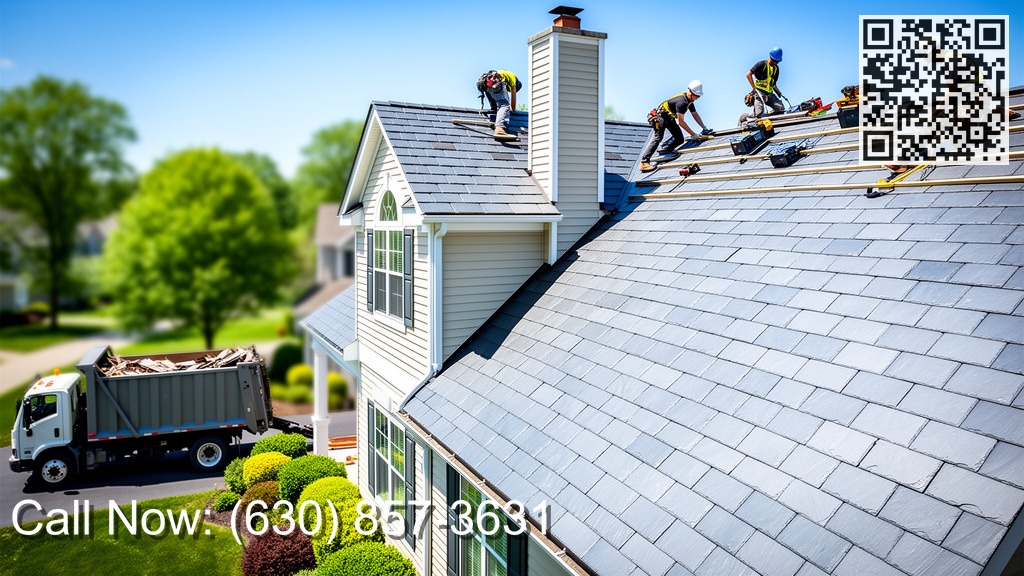
When Quality Matters
Salvo Architectural Roofing Contractors
566 West 5th Ave Naperville, IL 60563
(630) 857-3631
 Ask ChatGPT
 Ask Grok
 Ask Perplexity
 Ask Claude
 Ask Google AI
 Ask You